
SEO without the agency layers
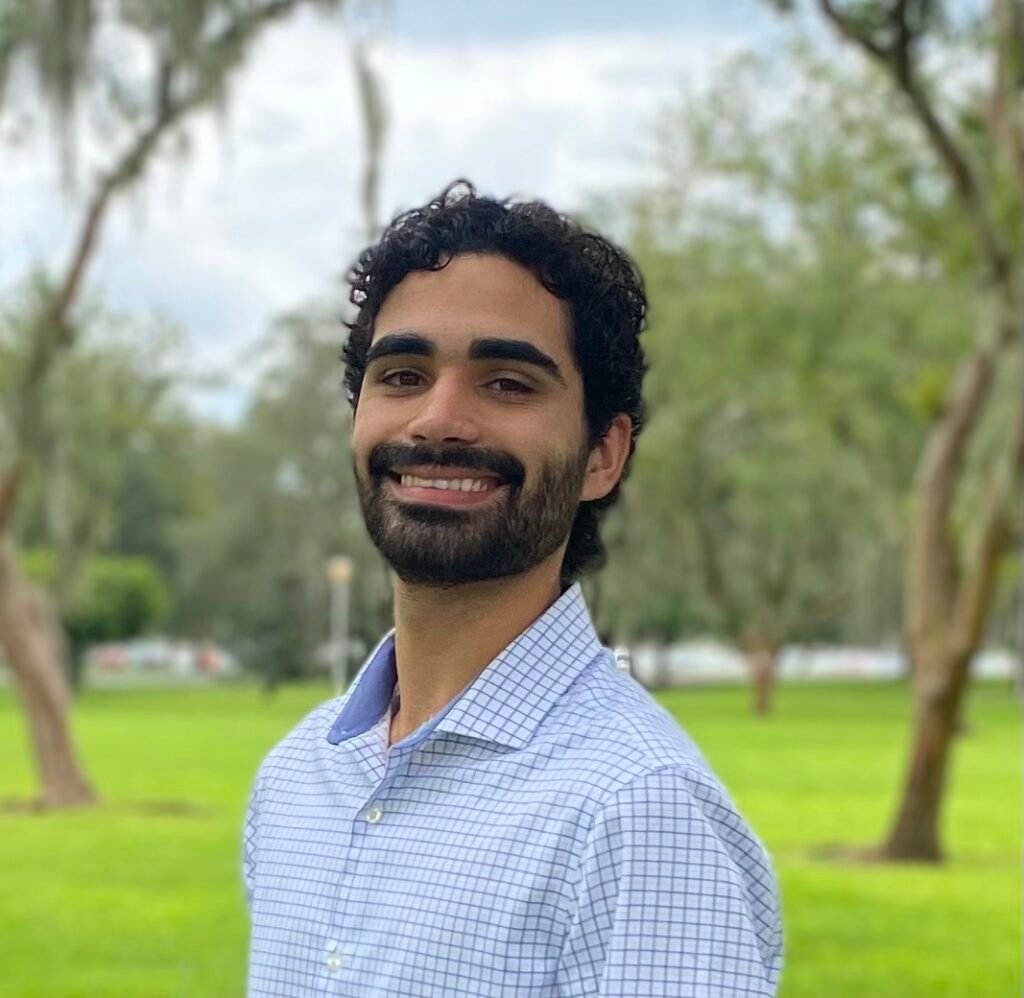
I’m Brayam Rodriguez, an independent SEO consultant specializing in local SEO, organic search, and AI visibility.
I work directly with local businesses, multi-location companies, e-commerce brands, and agencies. There is no account manager between us and no separate fulfillment team behind the scenes.
I research the opportunities, build the strategy, make the changes, publish the pages, and review the results myself.
That means when you have a question about your rankings, your Google Business Profile, a new service page, or why a competitor is showing up in ChatGPT and you are not, you are talking directly to the person doing the work.
I focus on work you can verify
SEO can become unnecessarily complicated.
You receive reports filled with impressions, visibility scores, and charts, but still have no clear answer to the question that matters:
Did the work improve the business?
My reporting is built around things you can verify yourself.
I want clients to understand what was completed, what changed, and where the next opportunity is.
That includes
- Search rankings
- Google Search Console clicks and impressions
- Organic traffic
- Google Business Profile visibility
- Leads and calls when tracking is available
- Pages published and optimized
- Top-three and first-page keyword growth
- Market-by-market performance for multi-location businesses
- AI visibility across ChatGPT, Google AI Overviews, Gemini, Claude, and Perplexity
The work stays close to the strategy
A lot of SEO engagements separate strategy from execution.
One person audits the site. Another person writes the recommendations. Someone else creates the content. A developer eventually receives a ticket. Then an account manager summarizes everything on a monthly call.
I prefer a shorter chain.
I identify the opportunity and, when access allows, I implement it.
That can mean rebuilding internal links, writing a service page, updating title tags, fixing schema, creating a location page, optimizing a Google Business Profile, improving AI search visibility, adjusting a WordPress template, or restructuring a Google Ads campaign.
The goal is not to produce more recommendations.
The goal is to ship more improvements.
The types of businesses I work with
Most of my work falls into three groups.
Local businesses
Contractors, medical practices, auto repair shops, attorneys, home service companies, and other businesses competing for customers within a specific market.
For these accounts, the work typically combines Google Business Profile optimization, local landing pages, service pages, citations, reviews, technical SEO, AI visibility, and content.
Multi-location businesses
Companies operating across several cities or locations need more than duplicated location pages.
Each market has different competitors, search behavior, rankings, and opportunities.
I build location-specific SEO strategies while keeping the overall website architecture organized and preventing pages from competing against each other.
Agencies
I also work behind the scenes with agencies that need experienced SEO capacity without adding another full-time hire.
I can work inside your systems, reporting format, project management workflow, and client structure while delivering the actual SEO work under your brand.
Local SEO
Google Business Profile optimization, map pack rankings, citations, service-area strategy, location pages, review strategy, and local competitor analysis.
Organic SEO
Technical audits, keyword research, site architecture, on-page optimization, internal linking, schema, crawlability, indexing, and ongoing optimization.
SEO Content
Service pages, location pages, industry pages, landing pages, supporting blog content, FAQs, and other content built around actual search opportunities.
I also help with:
- Content and blog planning
- Keyword clustering
- Content outlines and strategy
- Writing and refreshing existing content
- Optimized landing pages
- Competitor content analysis
Technical SEO
I review the technical issues that can prevent good content from performing. That includes:
- Full technical site audits
- Crawlability and indexing
- Redirects and broken links
- Canonicals
- XML sitemaps
- Schema markup
- Internal linking
- Site structure
- Page speed
- Core Web Vitals
- Duplicate and thin content
- Technical issues affecting AI crawlers and search engines
Web Development
I regularly work inside WordPress, Elementor, Shopify, BigCommerce, and other CMS platforms to implement the SEO work instead of stopping at recommendations.
That can include page builds, migrations, schema implementation, layout updates, speed fixes, and landing page development.
Google Ads
For businesses that need demand now while organic visibility grows, I can manage paid search alongside SEO so both channels support the same services and markets.
AEO, GEO and AI Visibility
Your customers do not just Google you anymore.
They are also asking ChatGPT, Google AI Overviews, Gemini, Claude, and Perplexity who they should hire, where they should go, and which businesses they should trust.
A business can rank well in Google and still be almost invisible inside AI-generated answers.
I help close that gap.
My AEO and GEO work focuses on helping search engines and AI systems clearly understand
- Who your business is
- What services you provide
- Where you operate
- Which topics you have authority around
- Why your business should be referenced over competitors
That can include
- AI visibility tracking across ChatGPT, Google AI Overviews, Gemini, Claude, and Perplexity
- Answer Engine Optimization (AEO)
- Generative Engine Optimization (GEO)
- Entity and topical authority development
- Structured data and schema improvements
- Content designed around questions AI systems frequently answer
- Service and location page optimization
- Internal linking and information architecture
- Citation and brand consistency
- Competitor share-of-voice analysis
- Content refreshes for stronger AI retrieval
- FAQ and answer-focused content
- Off-site authority and backlink analysis
Instead of treating AI search as a replacement for SEO, I treat it as another discovery channel.
The goal is to make your business visible wherever someone searches for the service you provide.
Depending on the account, I regularly work with:
The tools are useful, but they are not the strategy.
They help identify where the opportunity is. The real work is deciding what to do with that information and implementing it correctly.
Results from current and past accounts
The best way to evaluate SEO work is to look at what happened after it was implemented.
Laser Affair
Organic traffic increased roughly 9.5x over 24 months, while keywords ranking in positions 1–3 increased from 1 to 25.
GearSteady Garage Group
Estimated organic traffic increased more than 1,000% across the group, with top-three keyword rankings increasing from 7 to more than 300.
Whale Roofing
Estimated organic traffic increased more than 300%, while top-three rankings increased from 2 to more than 100.
Why I keep my client roster limited
SEO benefits from context.
Knowing which pages were built six months ago matters. Remembering which service has the best margins matters. Understanding which markets the company wants to enter next matters.
That becomes difficult when one person is responsible for dozens or hundreds of accounts.
I intentionally keep a smaller roster so I can stay involved in the actual strategy and implementation.
If I do not have the capacity to give an account enough attention, I would rather say that upfront.
Find the problems and opportunities
I review the website, rankings, competitors, Google Business Profile, AI visibility, content, technical setup, internal links, and overall search presence.
Tracking and benchmarks are established so future performance has something meaningful to compare against.
Build
This is where recommendations become live pages and actual changes.
Priority service pages, location pages, technical fixes, internal links, Google Business Profile improvements, schema, AI-focused content updates, and other high-impact work begin shipping.
Measure and refine
Rankings and visibility begin providing better signals.
We can see which pages are moving, which markets need more support, where competitors still have an advantage, and whether your brand is starting to appear more consistently in AI-generated results.
From there, the work becomes a consistent cycle of publishing, improving, measuring, and expanding.
A little about my background
My background is in economics and interdisciplinary social science, but I have spent the majority of my professional career working in SEO and digital marketing.
What originally interested me about SEO is still what keeps me interested in it today: the work sits somewhere between data, strategy, writing, development, and understanding how people make decisions.
Search is also changing quickly.
People still use Google, but they increasingly use AI tools to compare companies, research services, and decide who to contact.
That means modern SEO is no longer just about rankings.
It is about making your business understandable, credible, and visible across every search experience where customers are making decisions.
The fundamentals stay consistent, but the execution should fit the business.
Certifications and platforms
You will always know what I am working on
I believe SEO retainers should be easy to understand.
That is the standard I try to bring to every account.
Get found however your customers search
The search experience is changing, but the goal is the same: put your business in front of people already looking for what you sell.
Send me your website and a couple of competitors you regularly see above you.
I’ll review the market before our call so we can spend the conversation discussing actual opportunities rather than going through a pitch deck.
Or email me directly at brayam@digitaldevgroup.com.